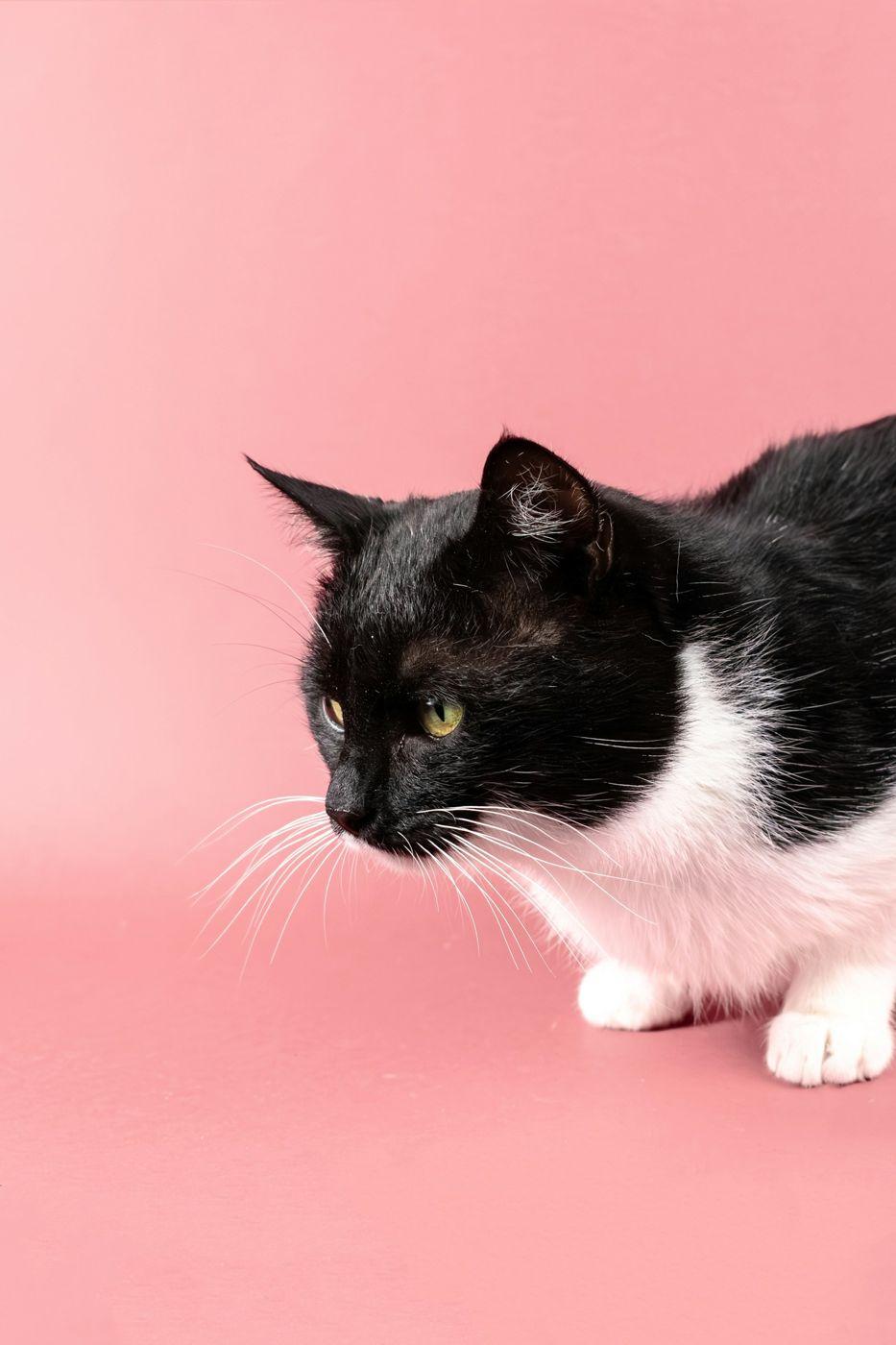
No peptide has been shown to help a cat's wound or abscess. GHK-Cu and TB-500 are not officially tested in cats or FDA-approved for animals. Bite abscesses are pockets of infection under the skin. They need a vet to clean and drain them, usually with antibiotics and pain relief. Most then heal within about a week.
What is a cat bite abscess?
It is a pocket of pus under the skin, usually from a fight. A cat's long canine teeth punch small, deep holes. The skin seals over fast, trapping bacteria underneath, where they multiply. VCA says the abscess usually forms several days later, so you may never have seen a wound. Our bite wounds page has the short version.
Bites are most common on the head, the front legs and the base of the tail, and fur hides them well. Unneutered males get the most fight wounds, but any cat that meets other cats can be bitten, including cats that live together.
What does an abscess look like?
A sudden painful swelling is the classic sign, often with a cat that seems unwell. Watch for:
- A warm, swollen lump that hurts to touch
- A sudden limp, if a leg was bitten
- A cat that is quiet, hiding or not eating, sometimes with a fever
- Licking or grooming one spot too much
- Pus or matted fur where a swelling has burst
Why does an abscess need a vet?
Because the infection is trapped, and it needs a way out. Even if an abscess bursts by itself, it may only drain partly, leaving pockets of pus that keep the infection going. Please don't squeeze it or try to lance it at home. It is very painful, and cats hide how unwell they are.
Not every bite infection forms a neat lump. Where the skin is tight, such as on the tail or lower leg, the infection can spread through the tissue as cellulitis, which can't be drained. Rarely, a deep bite reaches a joint, a bone or the chest.
Go the same day for any swelling that looks like a bite, and treat these as urgent: fast or labored breathing, a cat that won't eat or is very quiet, a swollen joint, or a wound on the chest or belly. A cat that stops eating has its own risks, because fatty liver can follow.
What do vets usually do?
Cleaning and drainage are the core of treatment. Sedation or anesthesia is often needed, since the area is sore. Your vet will decide which of these steps your cat needs.
| Step | Why |
|---|---|
| Clean and remove scabs | To find the wound and see how far it goes |
| Lance and flush | To let the pus out and wash the pocket |
| Drain or surgery for big abscesses | To remove dead tissue and stop pus building up again |
| Antibiotics | To treat the infection. Finish the full course. |
| Pain relief | Abscesses hurt, and cats won't always show it |
| Blood tests | Bites can pass on FIV and feline leukemia virus, which can also slow recovery |
How should I care for the wound at home?
Follow your vet's plan closely. VCA says most abscesses heal within five to seven days with treatment, while cellulitis swelling may take longer. Use a clean cloth or gauze and warm water if you are told to clean the wound, and clean around any drain as your vet shows you.
What you put on the wound matters. Use only what your vet recommends. VCA warns that phenol-based disinfectants are toxic to cats, and that hydrogen peroxide delays healing in a drained abscess. A cone may be needed to stop licking. Cats lick and groom whatever is on them, which is one reason to be careful with any cream or serum, and with your own medicines. FDA has reported cats falling ill or dying in homes where owners used a prescription pain cream on their own skin.
Go back if the wound isn't clearly improving, because something may have been left behind, such as a piece of tooth or claw, or the infection may be unusual.
Could a bite have passed on anything else?
Possibly. Bite wounds are the main route for FIV, and VCA says they can also spread feline leukemia virus. Cornell says antibodies to FIV can take 2 to 6 months to show up, so a test soon after a bite can miss it. It advises retesting after at least 60 days if exposure is possible. Ask your vet about timing.
Rabies may be a risk if an unknown animal bit your cat, depending on where you live, so keep vaccines current.
Abscesses that keep coming back in one place may not have been fully treated. If your cat keeps getting into fights, ask your vet about neutering and keeping it indoors. Cornell says unneutered males with outdoor access are at the highest risk of FIV.
What are the GHK-Cu and TB-500 claims based on?
GHK-Cu is a small copper-binding peptide found naturally in the body, studied mostly for skin and wound repair. TB-500 is a lab-made peptide based on part of thymosin beta-4, studied in the lab for wound and tissue repair. Those lab interests are why owners see them linked to wounds. Neither has been shown to help a wound or abscess in a cat.
- No clinical trial of GHK-Cu or TB-500 in cats appears in PubMed.
- Neither is officially tested in cats, and neither is FDA-approved for animals.
- Nobody can say what a safe amount would be, or whether one could harm healing.
- A peptide can't drain pus, so it can't replace the steps above.
- Products aren't checked by FDA, so the label may not match what's inside.
- An injection at home adds a new wound to a cat that already has an infection.
What to ask your vet
Tell your vet before you add anything, and take these questions with you. Our safety guide explains why cats are a poor animal to guess about, and the seller comparison shows what each seller proves. If you aren't sure how urgent a swelling is, a vet chat can help you decide.
- Is this an abscess or cellulitis, and does it need draining?
- Are there other bites I can't see under the fur?
- What should I clean it with, and what must I avoid?
- Does my cat need a cone?
- When should we test for FIV and feline leukemia virus?
- Is my cat's rabies vaccine up to date?
What vets usually do
Cleaning, draining abscesses, antibiotics if infected, a cone to stop licking.
GHK-Cu and TB-500 for bite wounds and abscesses: what is known
Dutch and Vetster connect you with a licensed vet by video or chat. A cat straining to pee with nothing coming out needs a vet today. Start a vet chat Paid link
Questions cat owners ask
Can I treat a cat abscess at home?
Not safely. An abscess needs a vet to clean and drain it, and most cats need antibiotics and pain relief too. If it bursts by itself, it may only drain partly and leave infection behind. Book a vet visit the same day.
Does GHK-Cu help cat wounds?
Nobody can say. No clinical trial of GHK-Cu in cats appears in PubMed, it is not officially tested in cats and it is not FDA-approved for animals. Cats also lick what is put on them, so ask your vet before using any cream or serum.
Is TB-500 good for a cat's wound?
There is no evidence that it is. TB-500 has not been officially tested in cats, no clinical trial in cats appears in PubMed, and it is not FDA-approved for animals. A wound or abscess needs a vet, and an untested product can delay that.
How long does a cat abscess take to heal?
VCA says most abscesses heal within five to seven days with treatment. Cellulitis swelling may take longer. If the wound isn't improving, or keeps coming back in one place, go back to your vet, because something may have been left behind.
My cat's abscess burst. What should I do?
See a vet anyway. A burst abscess often drains only partly, so pockets of pus can keep the infection going. Gently keep the area clean with warm water until your visit, avoid disinfectants, and don't squeeze it.
Sources
- VCA Animal Hospitals, Fight wound infections in cats. Open
- Cornell Feline Health Center, Feline immunodeficiency virus (FIV). Open
- Cornell Feline Health Center, Hepatic lipidosis. Open
- FDA, Topical pain medications containing flurbiprofen: risks to pets. Open
- PubMed, GHK-Cu in cats, clinical trials only: no results, checked 6 Nov 2026. Open
- PubMed, TB-500 and thymosin beta-4 in cats, clinical trials only: no results, checked 6 Nov 2026. Open
- FDA, Approved Animal Drug Products (Green Book): GHK-Cu and TB-500 not listed. Open